
Cryptocurrency regulation sec
Private clients can meet with a dedicated account manager for tailored crypto trading solutions, competitive fees, and 24/7 expert guidance from a team of professionals mega moolah 150 free spins. Institutional clients can use Abra Prime to gain cryptocurrency exposure, access trading pairs, and build custom crypto and digital asset programs.
Crypto exchanges first started emerging with the release of the Bitcoin white paper in 2008. Ever since the original cryptocurrency launched globally, crypto exchanges began looking for ways to make crypto-trading legal and accessible to more people.
For example, if you’re a hands-off trader, you should pick a platform equipped with automated trading features and tools. Most crypto exchanges are designed with active traders in mind. If you’re looking for passive crypto trading, your options are limited.
Kraken’s professional-grade trading platform is our pick for the best low-fee exchange because it charges some of the lowest fees in the crypto asset exchange landscape. However, it’s also our top choice for experienced traders, as it offers advanced order types and supports margin and futures trading.
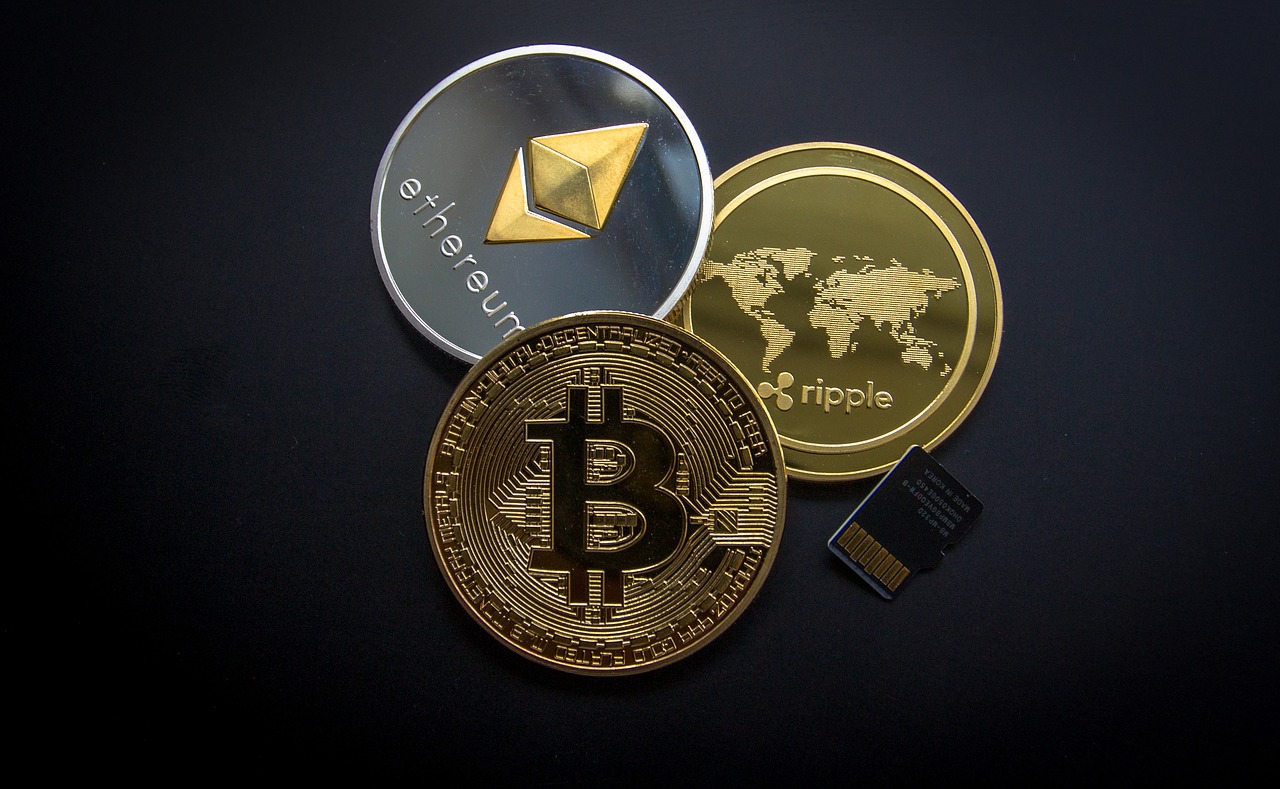
Bitcoin cryptocurrency
On Ethereum, one of the most decentralized blockchains other than Bitcoin, nearly 35% of staked coins come from the top three decentralized liquid staking services, according to Dune Analytics. Another 20% come from the top three centralized services. Additionally, 69% of Ethereum nodes are hosted by three centralized providers, and 90% of the blocks are ordered by just three MEV-optimizing builders. With 1.16 TB, Ethereum blockchain weighs almost twice as much as Bitcoin (604 GB), making participation harder for average users.
That said, some service providers that accept fiat and send BTC to user wallets may take longer than ten minutes to facilitate transactions. This may be due to waiting for fiat payments to settle, batch processing, or AML (Anti Money Laundering) regulations, among other reasons.
Supported by clearer regulations and groundbreaking technologies, the crypto ecosystem is set to push boundaries and shape the future of global finance. These predictions highlight a year brimming with potential, as the industry continues to prove itself as an unstoppable force.
The U.S. crypto industry is on the brink of a transformative resurgence. SEC Chairman Gary Gensler’s controversial “regulation by enforcement” approach, which stifled innovation and drove many crypto startups offshore, will conclude with his departure in January. His successor, Paul Atkins, brings a starkly different perspective. A former SEC commissioner (2002–2008), Atkins is renowned for his pro-crypto stance, support for deregulation, and leadership in initiatives like the Token Alliance, a pro-crypto advocacy group. His approach promises a more collaborative regulatory framework, fostering innovation rather than suppressing it.
Additionally, we are likely to see the introduction of weighted crypto index ETFs designed to offer diversified exposure across the broader crypto market. These indices could include a mix of top-performing assets like Bitcoin, Ethereum, Solana, and others, along with emerging protocols, providing investors with a balanced portfolio that captures the growth potential of the entire ecosystem. Such innovations will make crypto investing more accessible, efficient, and appealing to a wide range of investors, further driving capital into the space.
Top cryptocurrency
Given the thousands of cryptocurrencies in existence and the high volatility associated with most of them, it’s understandable you might want to take a diversified approach to investing in crypto to minimize the risk that you might lose money.
These kinds of coins can sometimes post triple-digit returns in a matter of months, but investors should note that they are considerably smaller, less mature, more specialized and more volatile than the “blue chip” cryptos like Bitcoin and Ethereum.
To calculate the market cap of a cryptocurrency, you need to multiply the current market price of the coin by the total number of coins that are in circulation. For example, if a cryptocurrency has 10 million coins in circulation and the current market price is $10 per coin, then its market cap would be $100 million.
Parameters:• time_start: (optional) Timestamp (Unix or ISO 8601) to start returning quotes for. Example: 2024-01-01T00:00:00Z.• time_end: (optional) Timestamp (Unix or ISO 8601) to stop returning quotes for. Example: 2024-10-01T00:00:00Z.• interval: Interval of time to return data points for. Example: 1d, hourly, weekly, monthly.• count: (optional) The number of interval periods to return results for. Example: 100.• convert: (optional) Optionally calculate market quotes in up to 3 other fiat currencies or cryptocurrencies. Example: convert=USD,EUR,BTC.• convertid: (optional) Use CoinMarketCap IDs instead of symbols for conversions. Example: convertid=1,2781.Response Example:
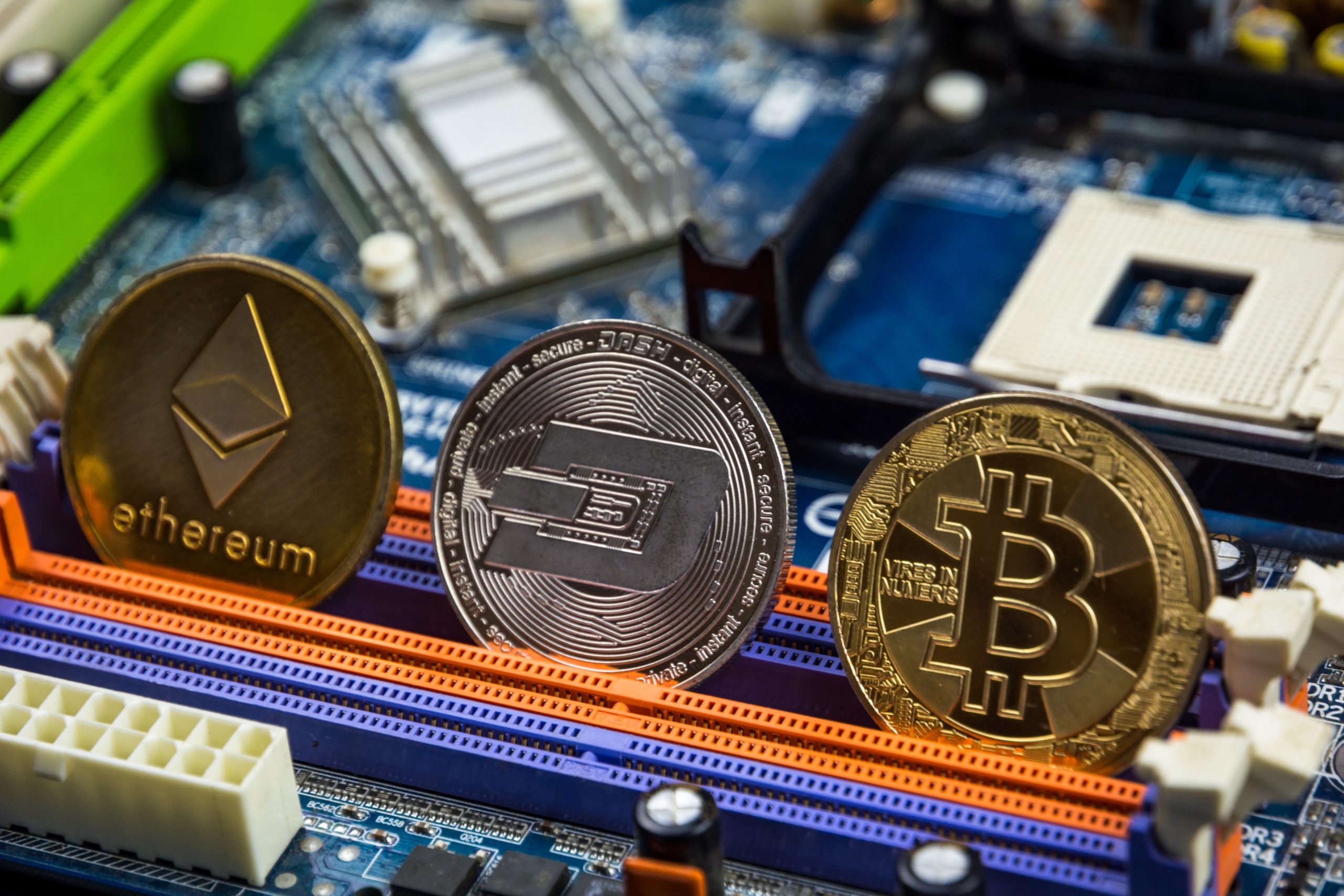
Given the thousands of cryptocurrencies in existence and the high volatility associated with most of them, it’s understandable you might want to take a diversified approach to investing in crypto to minimize the risk that you might lose money.
These kinds of coins can sometimes post triple-digit returns in a matter of months, but investors should note that they are considerably smaller, less mature, more specialized and more volatile than the “blue chip” cryptos like Bitcoin and Ethereum.
Cryptocurrency bitcoin price
Bitcoin is based on extremely safe SHA-256 cryptography created by the National Security Agency of the U.S., and the bitcoin protocol includes many features protecting it against various vectors of attack, including:
Investors who have their bitcoin on exchanges or wallets that support the new currency will soon see their holdings double, with one unit in bitcoin cash added for every bitcoin. But that doesn’t mean the value of investors’ holdings will double.
Let’s quickly calculate the market cap of Bitcoin as an example. The Bitcoin price is currently $ 96,091 and there are 19.80 million BTC coins in circulation. If we use the formula from above, we multiply the two numbers and arrive at a market cap of 1,902.41 billion.
If you want to invest in cryptocurrency, you should first do your own research on the cryptocurrency market. There are multiple factors that could influence your decision, including how long you intend to hold cryptocurrency, your risk appetite, financial standing, etc. It’s worth noting that most cryptocurrency investors hold Bitcoin, even if they are also investing in other cryptocurrencies. The reason why most cryptocurrency investors hold some BTC is that Bitcoin enjoys the reputation of being the most secure, stable and decentralized cryptocurrency.
Bitcoin (BTC) is the world’s first cryptocurrency built on distributed ledger (blockchain) technology, with a proof of work (PoW) mechanism that is not backed by any country’s central bank or government. It was founded by Satoshi Nakamoto, a pseudonym representing an individual or group of individuals, who published the white paper on October 31, 2008. It is currently the world’s biggest cryptocurrency, maintaining market dominance for the past decade.