
Top cryptocurrency
Similar to how people invest in stocks and other asset classes, Bitcoin can be used as a means of investment. With its scarcity, fixed and limited supply, many people see it as a good investment opportunity red dog casino login. While the value of BTC can be volatile, its limited supply makes it an attractive option for people looking to diversify their investments.
Bitcoin transactions use a Forth-like scripting language, : ch. 5 involving one or more inputs and outputs. When sending bitcoins, a user specifies the recipients’ addresses and the amount for each output. This allows sending bitcoins to several recipients in a single transaction. To prevent double-spending, each input must refer to a previous unspent output in the blockchain. Using multiple inputs is similar to using multiple coins in a cash transaction. As in a cash transaction, the sum of inputs can exceed the intended sum of payments. In such a case, an additional output can return the change back to the payer. Unallocated input satoshis in the transaction become the transaction fee.
Just two months later, on January 3, 2009, Nakamoto mined the first block on the Bitcoin network, known as the genesis block, thus launching the world’s first cryptocurrency. Bitcoin price was $0 when first introduced, and most Bitcoins were obtained via mining, which only required moderately powerful devices (e.g. PCs) and mining software. The first known Bitcoin commercial transaction occurred on May 22, 2010, when programmer Laszlo Hanyecz traded 10,000 Bitcoins for two pizzas. At Bitcoin price today in mid-September 2021, those pizzas would be worth an astonishing $478 million. This event is now known as “Bitcoin Pizza Day.” In July 2010, Bitcoin first started trading, with the Bitcoin price ranging from $0.0008 to $0.08 at that time.
On October 31, 2008, Nakamoto published Bitcoin’s whitepaper, which described in detail how a peer-to-peer, online currency could be implemented. They proposed to use a decentralized ledger of transactions packaged in batches (called “blocks”) and secured by cryptographic algorithms — the whole system would later be dubbed “blockchain.”
Another point that Bitcoin proponents make is that the energy usage required by Bitcoin is all-inclusive such that it encompasess the process of creating, securing, using and transporting Bitcoin. Whereas with other financial sectors, this is not the case. For example, when calculating the carbon footprint of a payment processing system like Visa, they fail to calculate the energy required to print money or power ATMs, or smartphones, bank branches, security vehicles, among other components in the payment processing and banking supply chain.
Cryptocurrency regulation sec
If crypto is deemed a commodity like crude oil, coffee or natural gas, its primary U.S. regulator would be the Commodity Futures Trading Commission (CFTC). This agency regulates currency trading, and it would cover crypto trading as well if cryptocurrencies are deemed currencies.
Issuers must disclose their corporate governance practices, including the composition of their board of directors, executive compensation, and auditor independence. Governance practices help investors assess the issuer’s commitment to transparency and accountability.
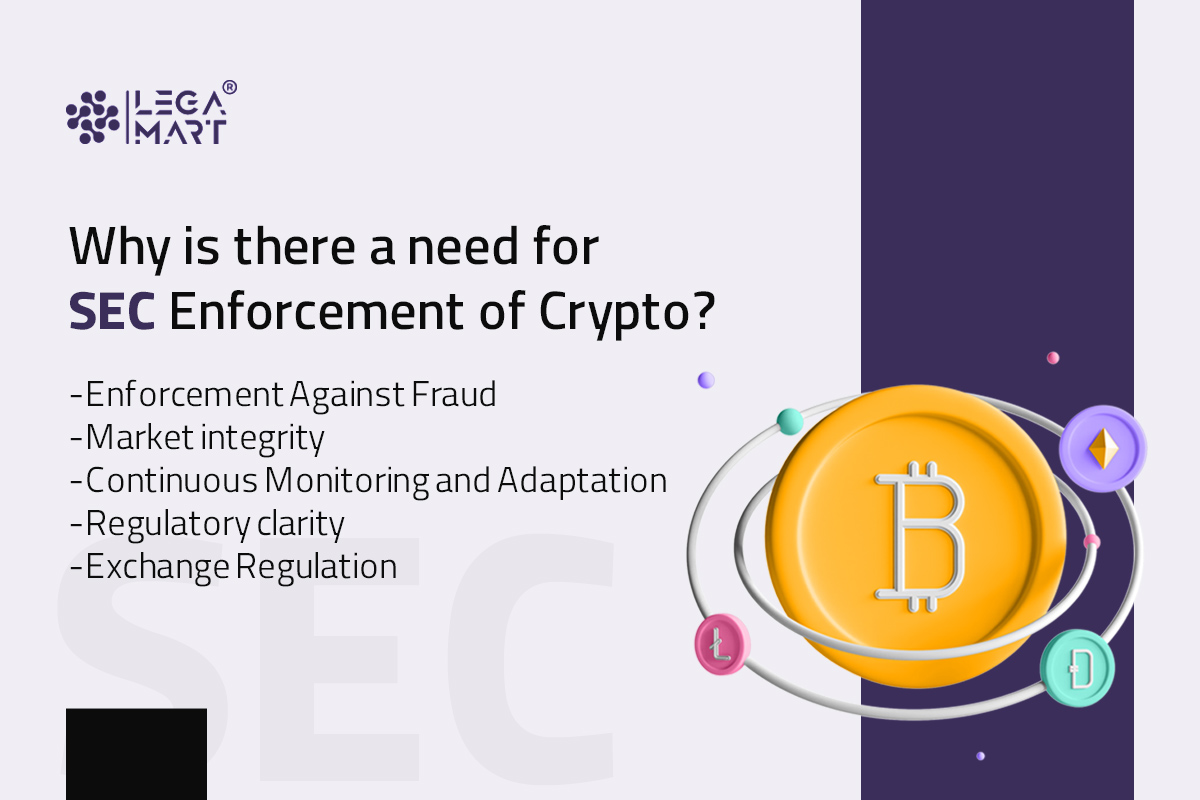
If crypto is deemed a commodity like crude oil, coffee or natural gas, its primary U.S. regulator would be the Commodity Futures Trading Commission (CFTC). This agency regulates currency trading, and it would cover crypto trading as well if cryptocurrencies are deemed currencies.
Issuers must disclose their corporate governance practices, including the composition of their board of directors, executive compensation, and auditor independence. Governance practices help investors assess the issuer’s commitment to transparency and accountability.
“There is no comprehensive federal regulation of any type of digital assets or cryptocurrency,” said V. Gerard Comizio, associate director of business law programs at American University’s Washington College of Law and author of “Virtual Currency Law: The Emerging Legal and Regulatory Framework.” What, then, are advisors and investors to go off of?
Financial advisors talking to clients about crypto must balance their interest in crypto investments with regulatory compliance. Strategies could include limiting exposure to SEC-registered securities, such as crypto-related stocks or ETFs, and staying informed about ongoing legal and regulatory developments. As the crypto market continues to evolve, both advisors and investors should remain vigilant, understanding that the legal environment for digital assets is likely to undergo further changes.
Cryptocurrency news
Our Crypto news provides comprehensive updates on various aspects of the cryptocurrency and blockchain ecosystem. It includes real-time price movements and market analysis for major cryptocurrencies like Bitcoin and Ethereum, detailing their performance trends and trading volumes. Regulatory developments are also highlighted, covering new laws, enforcement actions, and legal issues impacting the industry, both domestically and internationally. Additionally, news often focuses on technological advancements, such as upgrades to blockchain networks, new cryptocurrency launches, and innovations in decentralized finance (DeFi) and non-fungible tokens (NFTs). This coverage helps investors and enthusiasts stay informed about the dynamic and rapidly evolving world of digital assets.
Today’s crypto news underscores the sector’s dynamic nature, blending innovation, market reactions and the occasional pitfalls. As bitcoin reclaims the $30K mark and major players like PayPal delve deeper into the crypto realm, the intersection of traditional finance and digital currencies becomes ever more pronounced.
Bitcoin’s price saw a 3% uptick, climbing to just shy of $30,000 in response to a plunge in global long-dated government bond yields. This fall in yields was triggered by China’s far weaker than anticipated trade numbers for July. The U.S. 10-year Treasury yield tumbled below the 4% mark. These macroeconomic shifts have seemingly buoyed the crypto market, with other notable cryptocurrencies like Solana (SOL), Toncoin (TON), and Chainlink (LINK) registering gains of over 4% at the time of writing.

Our Crypto news provides comprehensive updates on various aspects of the cryptocurrency and blockchain ecosystem. It includes real-time price movements and market analysis for major cryptocurrencies like Bitcoin and Ethereum, detailing their performance trends and trading volumes. Regulatory developments are also highlighted, covering new laws, enforcement actions, and legal issues impacting the industry, both domestically and internationally. Additionally, news often focuses on technological advancements, such as upgrades to blockchain networks, new cryptocurrency launches, and innovations in decentralized finance (DeFi) and non-fungible tokens (NFTs). This coverage helps investors and enthusiasts stay informed about the dynamic and rapidly evolving world of digital assets.
Today’s crypto news underscores the sector’s dynamic nature, blending innovation, market reactions and the occasional pitfalls. As bitcoin reclaims the $30K mark and major players like PayPal delve deeper into the crypto realm, the intersection of traditional finance and digital currencies becomes ever more pronounced.
Bitcoin’s price saw a 3% uptick, climbing to just shy of $30,000 in response to a plunge in global long-dated government bond yields. This fall in yields was triggered by China’s far weaker than anticipated trade numbers for July. The U.S. 10-year Treasury yield tumbled below the 4% mark. These macroeconomic shifts have seemingly buoyed the crypto market, with other notable cryptocurrencies like Solana (SOL), Toncoin (TON), and Chainlink (LINK) registering gains of over 4% at the time of writing.